 Skip to content
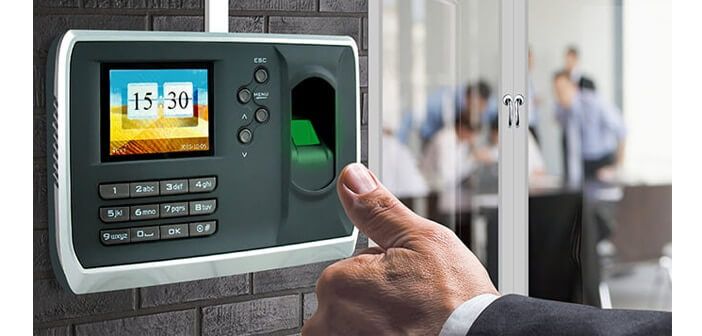
In today’s business environment, ensuring the security of your premises is more critical than ever. One of the most effective ways to safeguard your business is by installing a commercial door entry system. These systems not only provide heightened security but also streamline access for employees, clients, and visitors. In this article, we will explore various types of commercial door entry systems, their features, benefits, and how they can help protect your business.
What is a Commercial Door Entry System?
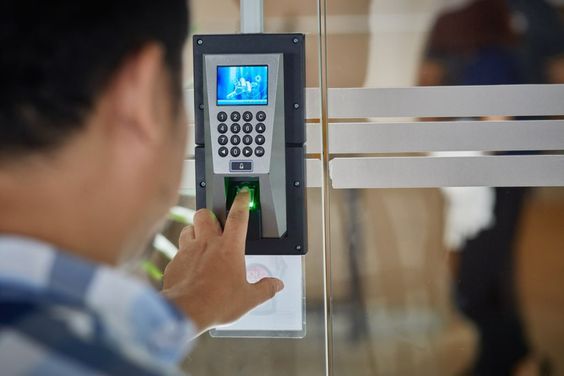
A commercial door entry system controls and manages access to a building or specific areas within a building. These systems help restrict entry to authorized individuals while providing convenience for those who need access. Depending on the type, these systems can be either mechanical, electrical, or digital.
Why is Security Important for Businesses?
The importance of security for any business cannot be overstated. A robust security system reduces the risk of theft, unauthorized entry, and other security breaches. Commercial door entry systems play a key role in securing your premises, protecting assets, and ensuring the safety of employees and clients.
Types of Commercial Door Entry Systems
There are several types of commercial door entry systems available, each offering unique features to meet the specific needs of different businesses.
1. Keypad Access Control Systems
Keypad entry systems are one of the most common types used in commercial buildings. Employees or authorized individuals are required to enter a code on a keypad to gain access.
Advantages:
-
- Cost-Effective: Typically, keypad systems are less expensive compared to other access control systems.
-
- Easy to Install: These systems are relatively simple to set up and maintain.
-
- Flexible: Codes can be easily changed to prevent unauthorized access.
Disadvantages:
-
- Code Sharing: There’s a risk that employees may share access codes.
-
- Security Risks: Codes can be forgotten or cracked if not regularly updated.
2. Biometric Access Control Systems
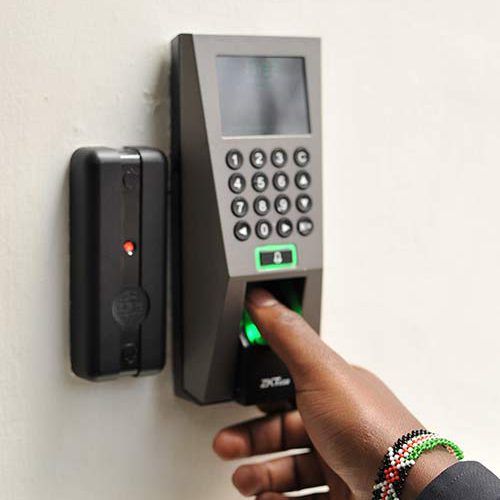
Biometric systems use unique physical characteristics (like fingerprints, retina scans, or facial recognition) to grant access to the building.
Advantages:
-
- Highly Secure: Biometrics are difficult to replicate or fake, offering enhanced security.
-
- No Need for Keys or Cards: Eliminates the need for physical keys or cards that can be lost or stolen.
-
- Convenience: Employees don’t need to carry anything, just their unique biometric feature.
Disadvantages:
-
- Cost: Biometric systems can be more expensive than keypad or card-based systems.
-
- Privacy Concerns: Storing biometric data raises privacy issues and requires proper data protection measures.
3. Card and Fob Entry Systems
Card and fob systems work by granting access based on proximity. Employees simply tap a card or fob near a sensor to open the door.
Advantages:
-
- Easy to Use: Employees don’t need to remember codes.
-
- Scalable: New cards or fobs can be issued easily, making these systems ideal for larger businesses.
-
- Audit Trails: These systems often include tracking features that log each access attempt.
Disadvantages:
-
- Cards/Fobs Can Be Lost or Stolen: If lost, unauthorized access could occur.
-
- Higher Maintenance: The need to replace lost cards or fobs can add extra costs.
4. Wireless Access Control Systems
Wireless systems use Wi-Fi or Bluetooth technology to grant access. These systems are often integrated with smartphones or cloud-based apps.
Advantages:
-
- No Wires Needed: Wireless systems are easy to install and don’t require complex wiring.
-
- Remote Management: Administrators can manage access remotely via a smartphone or computer.
-
- Flexible: These systems can be updated or modified with minimal hassle.
Disadvantages:
-
- Dependence on Network: Wireless systems are dependent on your Wi-Fi or cellular network.
-
- Security: Wireless networks can be more vulnerable to cyber-attacks if not properly protected.
Key Features to Consider in Commercial Door Entry Systems
When choosing a commercial door entry system, there are several factors to consider to ensure you are investing in the best solution for your needs.
1. Scalability
As your business grows, so should your security system. Look for systems that can easily accommodate new users or locations without significant upgrades or added costs.
2. User Management
A good commercial door entry system should allow you to easily add or remove users. This can be crucial when employees join or leave the company, or if security protocols need updating.
3. Integration with Other Systems
Some door entry systems can integrate with other security systems, such as alarm systems, surveillance cameras, or even time and attendance tracking systems. This can provide an all-in-one solution for managing security.
4. Access Logs
Access logs provide an audit trail of who entered and exited the building and when. This feature can be useful for monitoring employee movements and investigating any potential security incidents.
5. Remote Access
Remote access allows you to control and monitor the system from anywhere, which can be especially useful for larger businesses or multi-site operations.
Benefits of Commercial Door Entry Systems
1. Enhanced Security
The most obvious benefit of a commercial door entry system is improved security. With these systems in place, businesses can prevent unauthorized access, monitor employee movements, and reduce the risk of theft and vandalism.
2. Convenience and Efficiency
Commercial door entry systems can streamline access to the building. For instance, employees can quickly enter using biometric scans or cards, saving time compared to traditional methods like manually checking in.
3. Increased Control
With customizable access settings, you can control who enters certain areas of your building. For example, you can restrict access to sensitive areas such as data centers or storage rooms.
4. Flexibility
Commercial door entry systems come in a variety of configurations and can be tailored to meet the unique needs of your business. Whether you need a simple keypad system or a sophisticated biometric setup, there are options to fit any budget.
5. Reduced Risk of Lost or Stolen Keys
Unlike traditional keys, access cards, fobs, or biometric systems can be deactivated instantly if lost or stolen, minimizing the risk of unauthorized access.
Choosing the Right Commercial Door Entry System
Choosing the right commercial door entry system depends on several factors, including:
-
- Size of your business
- Size of your business
-
- Level of security required
- Level of security required
-
- Budget
- Budget
-
- Integration with existing security systems
- Integration with existing security systems
-
- Future scalability
- Future scalability
A business with a small office may benefit from a simple keypad or card system, while a large corporation may need a sophisticated biometric or wireless system for enhanced security.
Conclusion
Investing in a commercial door entry system is a proactive step toward protecting your business. With a variety of options available, you can select the system that best fits your needs, offering not only improved security but also increased convenience and flexibility. Whether you choose a biometric system, a keypad, or a card-based solution, these systems are designed to provide peace of mind and enhance the overall security of your business.
FAQs about Commercial Door Entry Systems
Q1: How do I choose the best door entry system for my business?
A1: Consider factors like the size of your business, security requirements, budget, and the ease of integration with other systems when selecting an entry system.
Q2: Can I integrate my door entry system with surveillance cameras?
A2: Yes, many modern commercial entry systems can be integrated with surveillance cameras, allowing for a more comprehensive security solution.
Q3: Are biometric systems better than keypads or cards?
A3: While biometric systems offer superior security, they are typically more expensive. Consider your business’s needs and budget before choosing the system that works best.
Q4: How often should I update the access codes for my keypad system?
A4: To maintain security, it’s recommended to update your keypad access codes every 3 to 6 months or whenever an employee leaves the company.
Contact XS Controls For Any Questions