 Skip to content
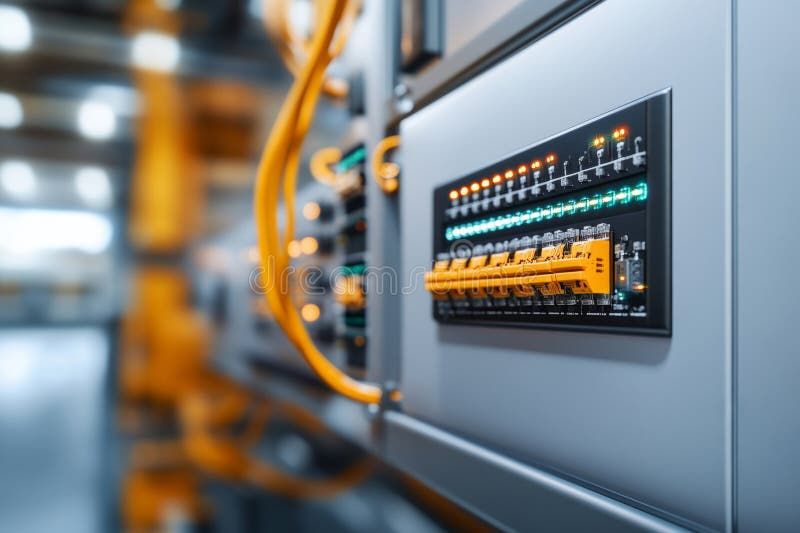

In modern industrial settings, the need for automation, precision, and efficiency has never been greater. One crucial component that ensures smooth operations in these environments is the Industrial Control Panel (ICP). But what exactly is an industrial control panel? How does it work? This guide provides a detailed look into its structure, functionality, components, and the essential role it plays in access control industries ranging from manufacturing to power generation.
Understanding Industrial Control Panels
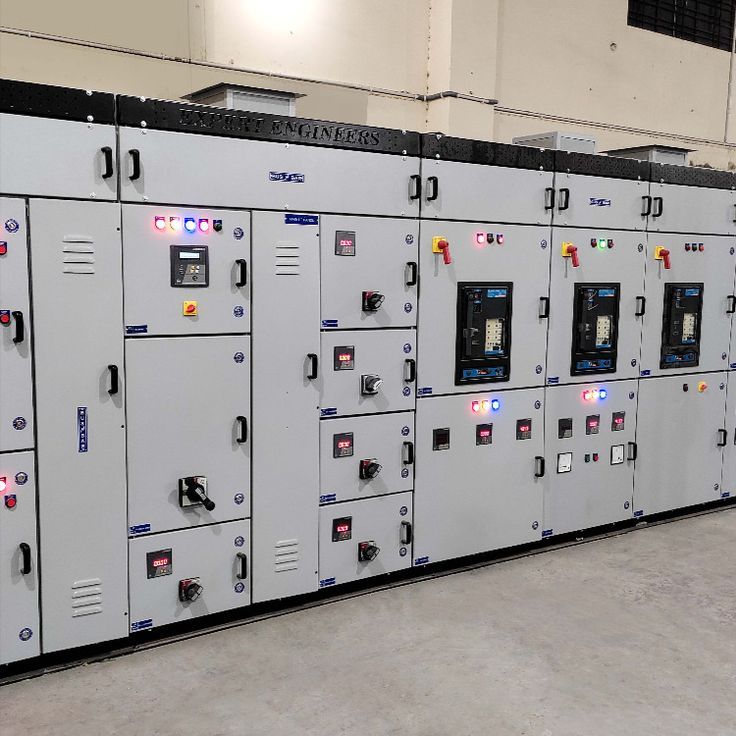
An Industrial Control Panel is a centralized system designed to manage, control, and monitor machinery, processes, and electrical circuits. These panels are equipped with a combination of electrical components and controls that automate a variety of processes. The panels are usually housed in enclosures and are installed in industrial settings like factories, plants, and other operational facilities.
Key Functions of Industrial Control Panels
Industrial control panels serve as the nerve center of operations by:
- Controlling and Regulating Equipment: They control motors, pumps, lights, HVAC systems, and other essential machinery in an industrial environment.
- Monitoring System Health: Industrial control panels are equipped with diagnostic tools that provide real-time data on the health of systems, triggering alerts or initiating shutdowns if needed.
- Automation of Processes: They help automate industrial processes, ensuring minimal human intervention while maintaining optimal efficiency.
Key Components of an Industrial Control Panel
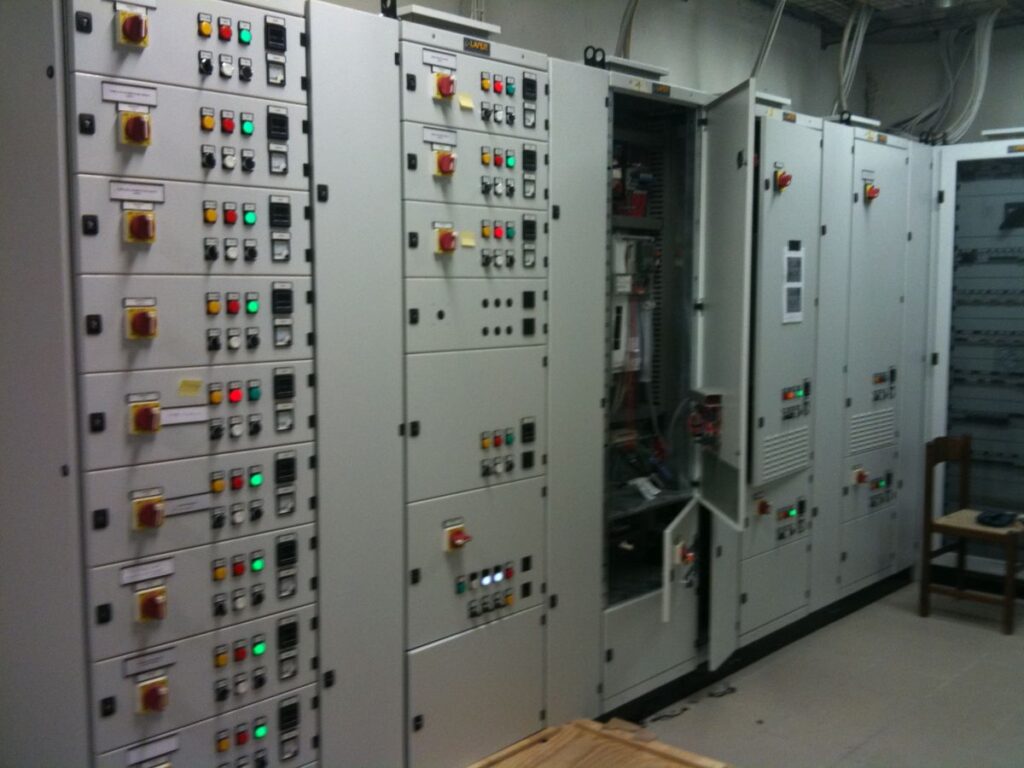
An industrial control panel is not just a single entity; it is made up of various components working together to ensure seamless operation. These key components include:
- Programmable Logic Controllers (PLCs): PLCs are the heart of the control panel, responsible for executing automated commands based on inputs from sensors and other data sources.
- Switches and Relays: These electrical components control the flow of current to different machinery and systems within the panel.
- Circuit Breakers: Essential for protecting circuits and preventing damage in the event of electrical faults.
- Variable Frequency Drives (VFDs): VFDs help control the speed and torque of motors by adjusting the frequency of the electrical supply.
- HMI (Human-Machine Interface): HMIs are the touchscreens or control panels that allow human operators to interact with the control system and monitor the status of the machinery or processes.
- Power Supplies: The control panel’s power supply ensures that all components receive the correct voltage and current for safe operation.
Types of Industrial Control Panels
Industrial control panels come in various designs and configurations, tailored to meet specific needs within an industry. Some of the most common types include:
- Motor Control Panels: These are primarily designed to control electric motors, including starters, overload protection, and VFDs. They are essential in industries that rely heavily on motor-driven equipment, like pumps and conveyor systems.
- Lighting Control Panels: Used for controlling industrial lighting systems, these panels help optimize energy usage and provide safety features, especially in large-scale facilities.
- Distribution Panels: These manage electrical power distribution and ensure that circuits are properly distributed and protected.
- PLC Panels: These panels house the PLC and its supporting components, controlling complex industrial automation processes such as packaging, sorting, or assembly.
Industrial Control Panel Standards & Safety Considerations
When designing and constructing industrial control panels, safety is a priority. These panels must adhere to specific industry standards, including:
- UL (Underwriters Laboratories): UL certification ensures that the control panel meets safety standards related to electrical performance and reliability.
- NFPA 70 (National Electrical Code): This standard provides guidelines on wiring and electrical safety.
- IEC (International Electrotechnical Commission): IEC standards focus on global safety and technical requirements for electrical systems.
Importance of Industrial Control Panels in Automation
With the growing demand for industrial automation, control panels have become indispensable. They streamline operations, improve productivity, and reduce the chances of human error. In fact, they serve as a critical link between hardware and software, enabling industries to achieve high precision, reduced downtime, and enhanced energy efficiency.
Benefits of Using Industrial Control Panels
- Enhanced Safety: Control panels are designed with safety features like emergency shutdowns, overload protection, and circuit breakers to prevent hazards.
- Increased Efficiency: Automation helps streamline processes, reducing the need for manual intervention and optimizing resource usage.
- Cost-Effectiveness: By automating processes and reducing the likelihood of equipment failure, control panels help businesses save money in the long run.
- Remote Monitoring: Modern control panels often come with capabilities for remote monitoring and diagnostics, making it easier for operators to manage systems even from a distance.
Conclusion
In conclusion, Industrial Control Panels are the backbone of modern industrial automation, serving as a central point for managing, controlling, and monitoring complex processes. With the right components, safety features, and adherence to industry standards, these panels ensure seamless, efficient, and safe operations. Whether in manufacturing, energy, or chemical processing industries, the role of an industrial control panel cannot be overstated.
By understanding the importance of these panels, businesses can make informed decisions when it comes to installation, maintenance, and upgrades, ultimately improving productivity and operational safety.
Contact XS Controls for more Information: