 Skip to content

In today’s world, security is a top priority for businesses. Whether it’s a small office or a large corporate facility, ensuring that only authorized personnel have access to sensitive areas is crucial. Commercial access control systems provide the perfect solution to monitor and control who enters and exits your business premises. These systems come in a variety of forms and offer features that can be tailored to your specific security needs.
This article will explore what commercial access control systems are, how they work, and why businesses are investing in these advanced security solutions.
What are Commercial Access Control Systems?

Commercial access control systems are security solutions designed to regulate and monitor entry to restricted areas of a building or premises. They help businesses prevent unauthorized access, safeguard sensitive data, and ensure that only employees or designated individuals can access particular locations.
A typical access control system consists of various components, including:
- Card Readers: Used to read access cards or key fobs.
- Biometric Scanners: Use fingerprint, retina, or facial recognition technology for verification.
- Control Panels: Central units that manage access rights and settings.
- Electronic Locks: Locks that can be controlled electronically, granting or denying access based on the system’s settings.
- Software: Allows businesses to manage and monitor access logs, schedules, and other configurations.
These systems can be physical (hardware-based) or cloud-based, offering flexibility and enhanced security.
Why Are Commercial Access Control Systems Important?
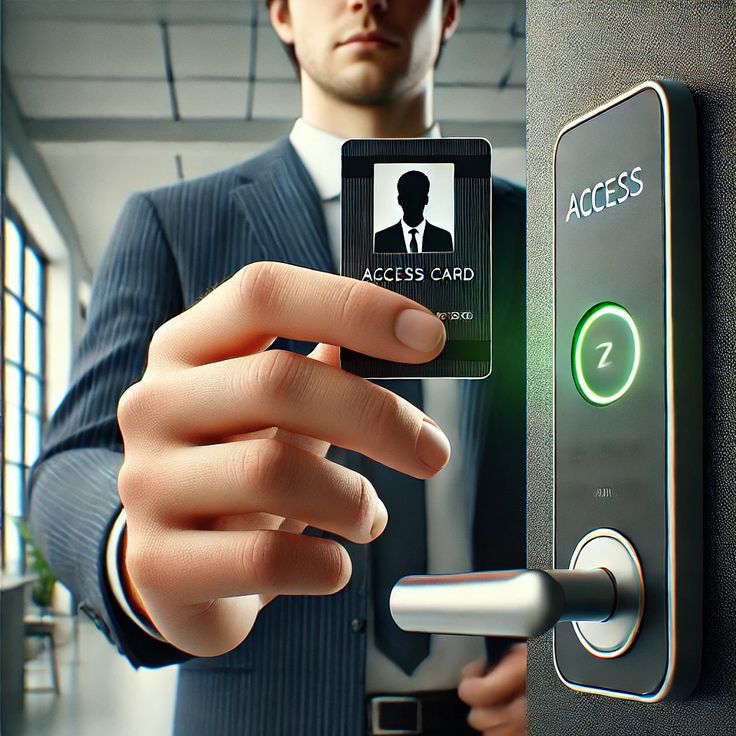
The growing threat of security breaches has made businesses more conscious of their security needs. Here are some key reasons why investing in commercial access control systems is crucial:
1. Enhanced Security and Protection
Access control systems allow businesses to restrict access to sensitive areas, ensuring only authorized individuals can enter. Whether it’s employee information, financial records, or trade secrets, these systems help safeguard critical data.
2. Real-time Monitoring
One of the biggest advantages of modern commercial access control systems is their ability to provide real-time monitoring. Business owners and security personnel can monitor who is entering or leaving the premises, as well as at what times. This helps identify any unusual behavior or breaches instantly.
3. Audit Trails and Reports
With a commercial access control system, businesses can track all access events. This creates an audit trail, providing detailed logs of who entered specific areas and when. Such data is invaluable for investigations or compliance purposes, making it easy to trace potential issues.
4. Cost-Effective Security
Compared to traditional security methods like hiring additional security staff, automated access control systems can be more cost-effective in the long run. Once installed, they provide 24/7 security with minimal ongoing costs, especially with cloud-based systems.
Types of Commercial Access Control Systems
There are several types of commercial access control systems available, each offering specific features and benefits. Below are some of the most popular systems:
1. Keycard Access Systems
Keycard access systems are one of the most common and cost-effective access control solutions for businesses. Employees or authorized personnel are provided with keycards, which they can use to unlock doors or gates. These cards can be programmed to grant access at certain times or locations.
2. Biometric Access Systems
Biometric systems use physical traits such as fingerprints, iris patterns, or facial recognition to verify identity. This technology offers high security since biometric data is unique to every individual, making it nearly impossible to forge.
3. Cloud-Based Access Control Systems
Cloud-based systems allow businesses to manage access remotely via an internet connection. This means no physical control panel is needed on-site, and administrators can update access rights or monitor activity from anywhere in the world.
4. Intercom and Video Entry Systems
For businesses looking to manage access at gates, lobbies, or entry points, intercom and video entry systems allow personnel to communicate with visitors. These systems can also be integrated with access control systems to allow authorized visitors entry.
Features to Look for in Commercial Access Control Systems
When choosing a commercial access control system, there are several essential features to consider:
1. Scalability
As your business grows, your security needs may change. Opt for a system that can scale with your company, whether by adding more access points or accommodating larger volumes of users.
2. Remote Management
Having the ability to manage access from anywhere is a must in today’s business environment. Look for systems that offer remote monitoring and control features, which can save time and improve flexibility.
3. Integration with Other Security Systems
For optimal security, consider integrating your access control system with other security measures such as CCTV cameras, alarms, and intrusion detection systems. This multi-layered approach ensures comprehensive protection.
4. User-Friendly Interface
A user-friendly interface makes it easier for administrators to set permissions, view logs, and manage users. Look for systems with intuitive software that requires minimal training.
How to Choose the Right Commercial Access Control System for Your Business
Selecting the right commercial access control system depends on several factors, including the size of your business, your security needs, and your budget. Here’s a step-by-step guide to help you make the best choice:
Step 1: Assess Your Security Needs
Before choosing a system, evaluate the areas of your business that need the most protection. If your business handles sensitive data, a more advanced biometric system might be necessary. For a simple office, a keycard system might suffice.
Step 2: Determine the Size of Your Business
Larger businesses with multiple entry points may require a more scalable solution, while small businesses may benefit from simpler, more affordable systems. Consider whether your access control needs will change over time.
Step 3: Consider Integration with Existing Systems
If you already have other security systems in place (e.g., surveillance cameras), make sure the access control system you choose can integrate seamlessly with those existing technologies.
Step 4: Plan Your Budget
While advanced systems may offer enhanced features, it’s essential to find a system that fits within your budget. There are plenty of affordable options available that don’t compromise on security.
The Future of Commercial Access Control Systems
The future of commercial access control systems is rapidly evolving, with new technologies such as artificial intelligence (AI) and machine learning being incorporated into these systems for enhanced security and user experience. Businesses are increasingly opting for integrated solutions that combine access control with other security systems to provide a complete security ecosystem.
If you want to protect your business from potential security threats, investing in a commercial access control system is a smart choice. Not only will it improve security, but it will also streamline operations, enhance employee safety, and provide peace of mind.
Contact XS Controls for more information