 Skip to content

By XS Controls
In today’s rapidly evolving security landscape, ensuring the safety of people, property, and data is a top priority for UK businesses of every size. Whether you’re responsible for a small office, a multi-site campus, or a high-security facility, a Physical Access Control System (PACS) is no longer a luxury — it’s a strategic security investment. In this guide, we’ll walk UK purchasers through everything you need to know about PACS, including what it is, how it works, the key benefits, how to choose the right system, and why XS Controls should be your trusted partner.
What Is a Physical Access Control System (PACS)?
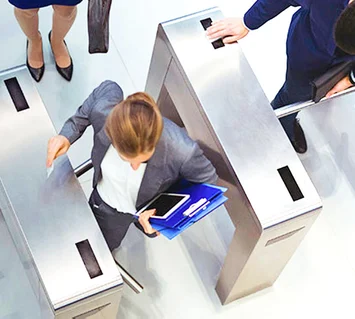
At its core, a Physical Access Control System (PACS) is a security solution that manages and controls physical entry into buildings or specific areas using electronic authentication methods rather than traditional mechanical keys. PACS determines who is allowed to enter, where, and when, using digital credentials such as key cards, biometric identifiers, mobile apps, PINs, or combinations of these.
Unlike old-school locks and keys, PACS provides precise control, real-time visibility, and extensive auditing capabilities that are essential for modern UK businesses operating in regulated industries or high-risk environments.
Why UK Businesses Are Investing in Physical Access Control System (PACS)
UK organisations across sectors — from finance and healthcare to retail and education — are rapidly adopting physical access control solutions. Here’s why:
1. Enhanced Security Against Unauthorized Access
PACS ensures that only authorised individuals can enter restricted areas. By using digital authentication methods — including cards, mobile keys, or biometrics — PACS removes the vulnerabilities associated with lost, duplicated, or stolen keys.
Whether it’s safeguarding server rooms, accounting departments, or sensitive research labs, PACS provides a robust deterrent against theft, vandalism, or industrial espionage.
2. Real-Time Monitoring and Audit Trails
Modern PACS solutions record every access attempt — successful or not — with precise timestamps. This means you have a complete audit trail for compliance, investigations, and risk mitigation.
This level of visibility helps UK organisations meet various regulatory requirements and provides reassurance to stakeholders that physical security is taken seriously.
3. Improved Operational Efficiency
With PACS, access permissions are managed centrally, significantly reducing the need for security staff to manually check entry credentials. This not only cuts operational costs, but also speeds up foot traffic through multiple entry points — ideal for busy offices or public-facing facilities.
4. Scalability for Growing Businesses
PACS grows with your organisation. Whether you’re expanding to new locations or accommodating increased staff numbers, modern systems can be scaled easily without disrupting workflow. Modular architectures and cloud management options allow for effortless updates and expansion.
5. Seamless Integration Capabilities
Leading PACS platforms seamlessly connect with other security systems — such as CCTV, intruder alarms, visitor management, and building automation systems — creating a holistic security ecosystem.
This integration improves responsiveness, reduces blind spots, and makes security management more efficient.
Key Components of a Physical Access Control System (PACS)
Understanding the core components of PACS will help you evaluate different systems effectively:
1. Access Points
These are the actual entry/exit points that the system protects — doors, gates, turnstiles, lift lobbies, and vehicle barriers. Each point is equipped with readers or sensors that validate credentials.
2. Credentials
Credentials are the digital keys used to authenticate users. These include:
- Key cards and fobs
- PIN codes
- Smartphone credentials using Bluetooth, NFC, or QR codes
- Biometric identifiers such as fingerprints or facial scans
3. Readers and Controllers
Readers scan credentials and communicate with control panels or servers that make real-time decisions on granting or denying access. These components must be robust and secure to minimise tampering risks.
4. Management Software
This centralized platform is where administrators configure user permissions, monitor events, and generate reports. Cloud-based portals offer remote access and multi-site oversight — a major benefit for UK organizations with distributed operations.
Choosing the Right Physical Access Control System (PACS) for Your UK Business
Selecting the ideal PACS solution means balancing security needs, budget, and future-proofing. Here’s a checklist to guide your decision:
✔ Clearly Define Your Requirements
Identify which areas need protection, what level of control you require, and whether you need integration with other systems such as HR platforms or CCTV.
Evaluate Scalability and Flexibility
Your PACS should adapt as your business evolves. Solutions that support additional access points, shifting access schedules, and remote management are highly valuable.
Prioritise Security and Compliance
Look for systems that support encryption standards, adhere to GDPR requirements, and offer secure data handling. PACS vendors with UK-based support and UK compliance expertise are often preferable.
Assess Usability
User-friendly software interfaces and credential management tools not only save time but also reduce training costs and improve adoption rates across your organization.
Consider Total Cost of Ownership
Don’t focus solely on upfront costs. Factor in maintenance, support contracts, software licensing, and potential upgrades over time.
Physical Access Control System (PACS) Options: On-Premise vs Cloud
UK buyers often compare traditional on-premise systems with modern cloud-enabled solutions:
🔹 On-Premise
These systems are hosted locally and give you direct control. They’re ideal for highly regulated environments that require strict separation of data. However, they may require higher upfront IT investment.
Cloud PACS
Cloud-based systems offer remote visibility, automatic updates, and simplified management across sites. This model often reduces hardware costs and delivers real-time analytics and alerting.
Hybrid Deployments
Some organizations prefer hybrid models — local control for critical access logic and cloud services for analytics and remote management. Hybrid systems provide a balance of control, scalability, and performance.
Why Choose XS Controls as Your Physical Access Control System (PACS) Partner?
At XS Controls, we understand that physical security is not just about equipment — it’s about protecting your people, assets, and reputation. Our UK-focussed PACS solutions combine industry-leading technology with hands-on expertise:
Tailored Solutions
We work with your security team to design a system that fits your unique operational needs and compliance demands.
Latest Technology Integration
From biometric readers to mobile credentials and cloud dashboards, we deliver modern PACS that evolve with your business.
UK Support & Service
Our UK-based support teams provide prompt installations, proactive maintenance, and responsive technical assistance.
End-to-End Expertise
From initial consultation to ongoing monitoring, XS Controls ensures your PACS investment delivers measurable security outcomes.
